
Adaptive Music Tools
These are tools that can help support the autonomy and participation of learners with various types of higher support needs. Attend one of our PD sessions to learn more! Click each picture to view the product for sale on another website.
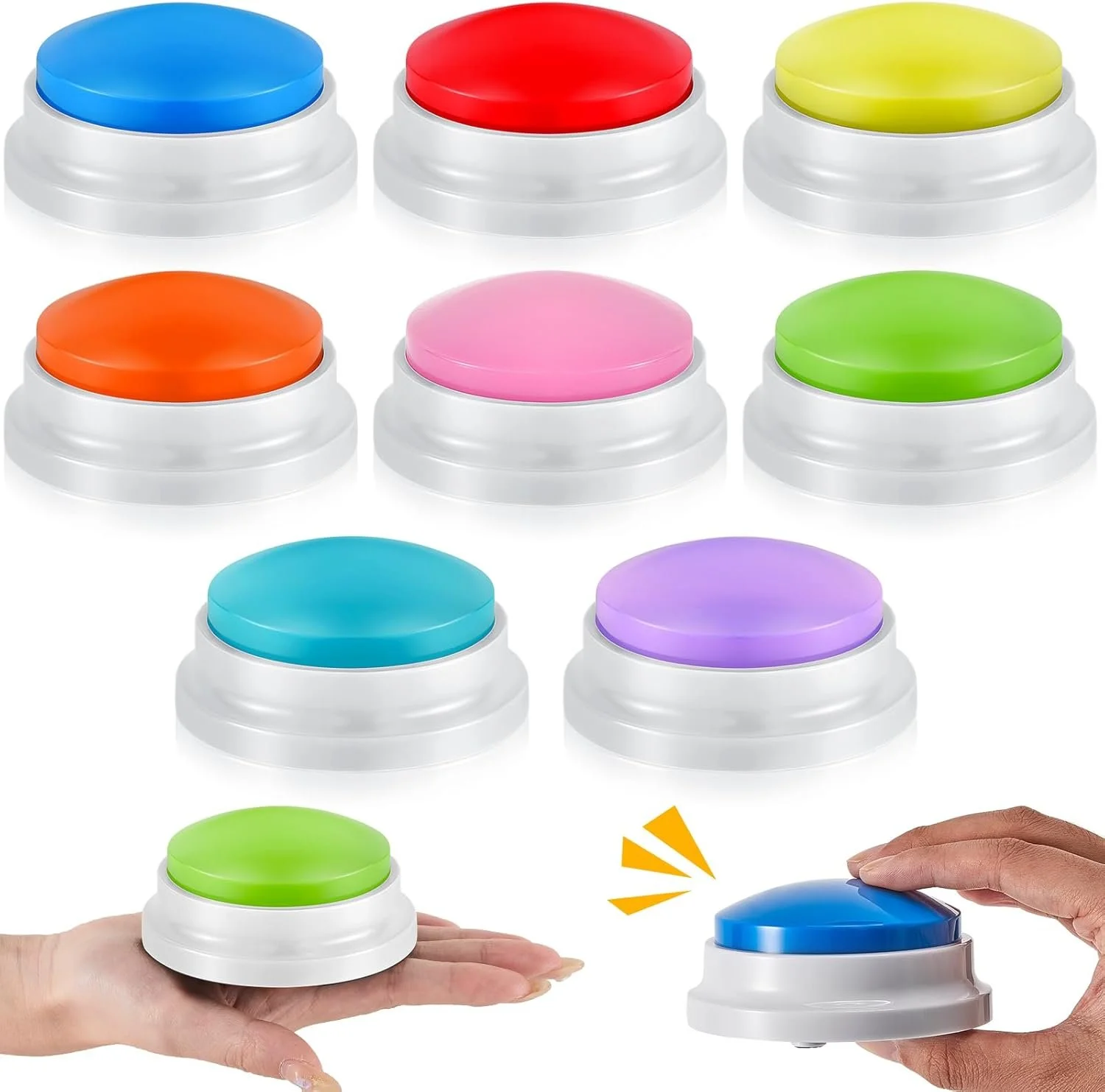
This recording button is our favorite for learners with low motor control. They are large targets, click easily, and have reasonable sound quality.
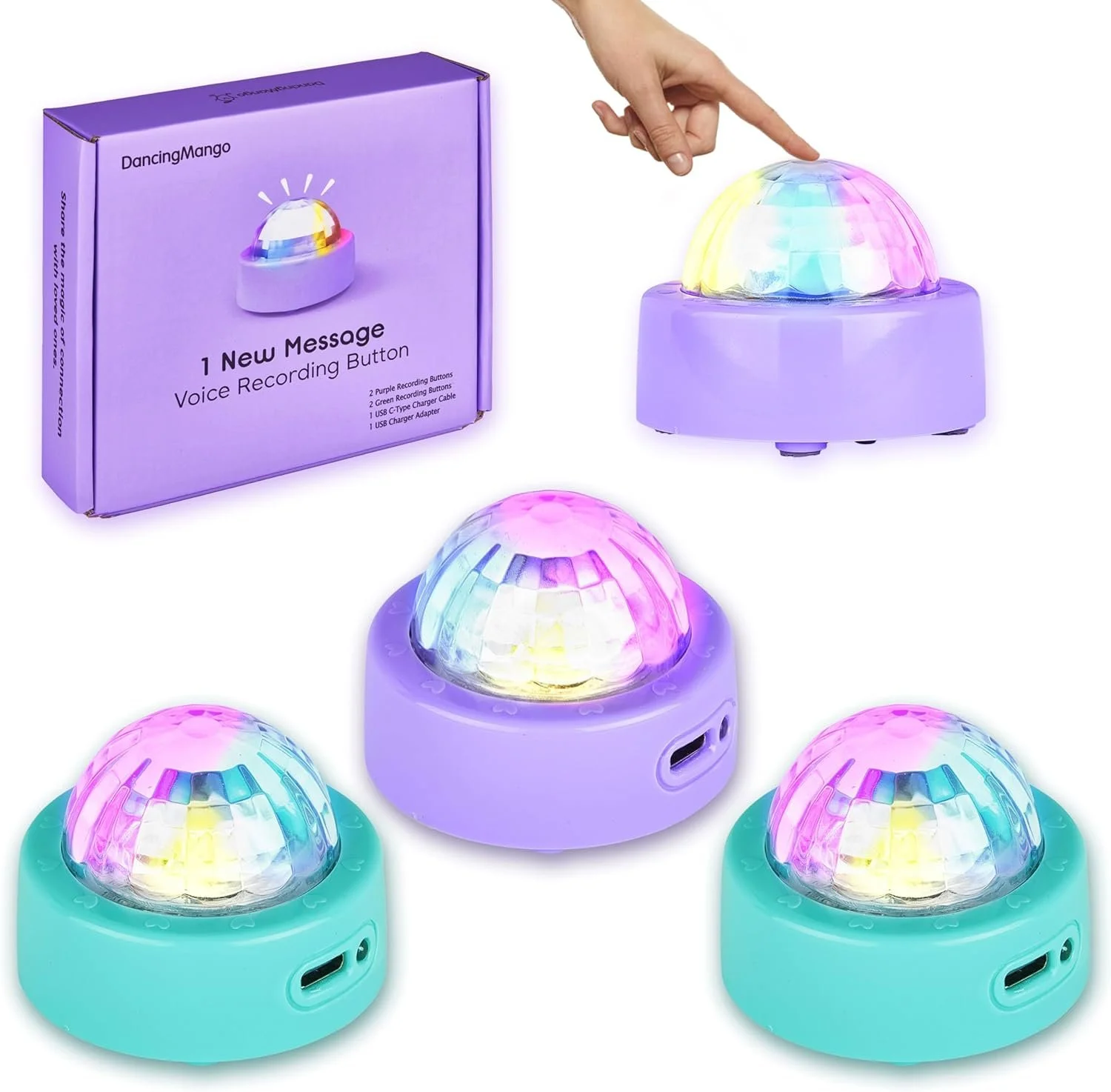
These mini buttons (not pictured to scale) are our favorite for preventing accidental re-recording. Rechargeable with reasonable sound quality.
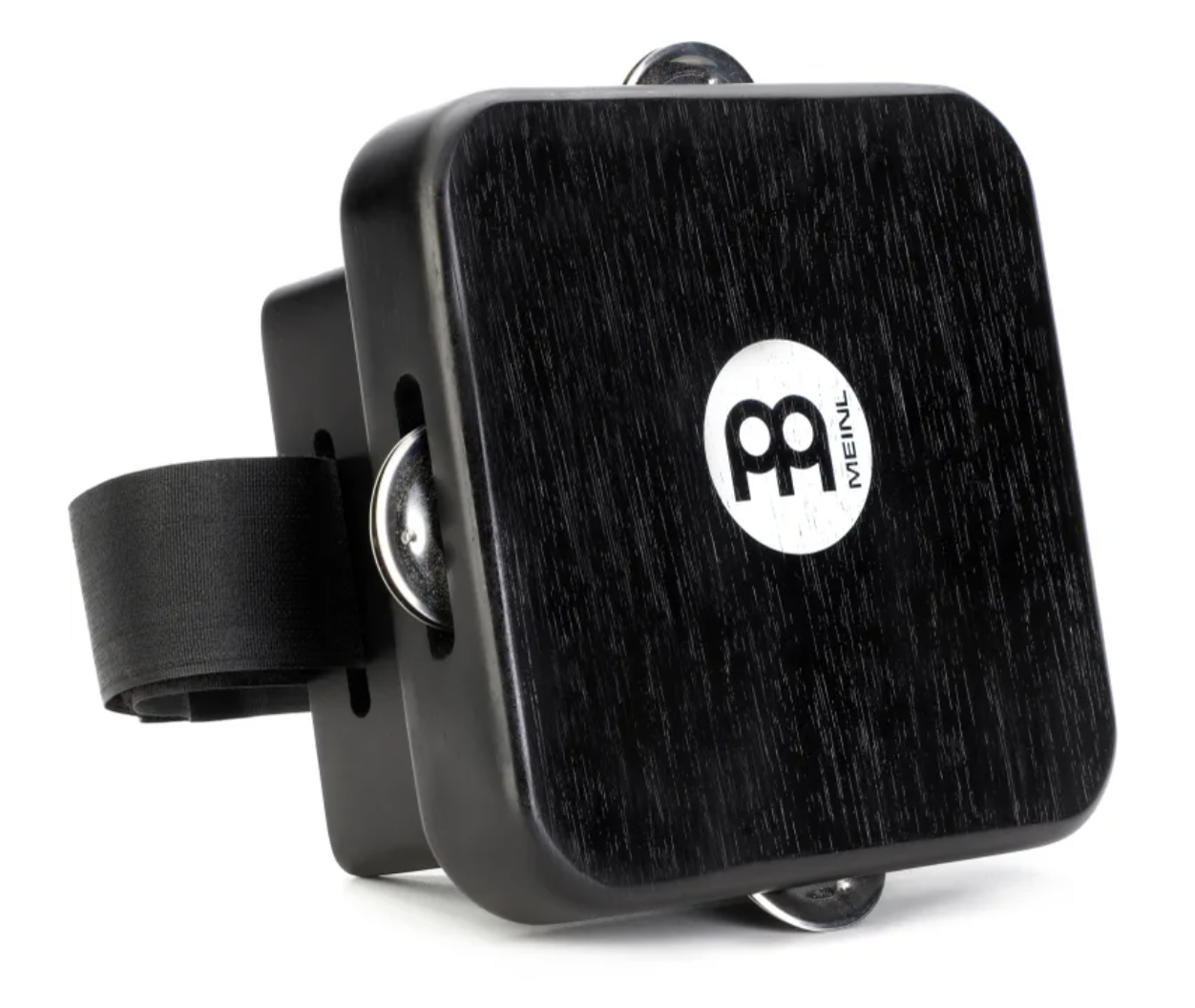
This knee tambourine attaches with velcro to a wheelchair or the student’s leg.
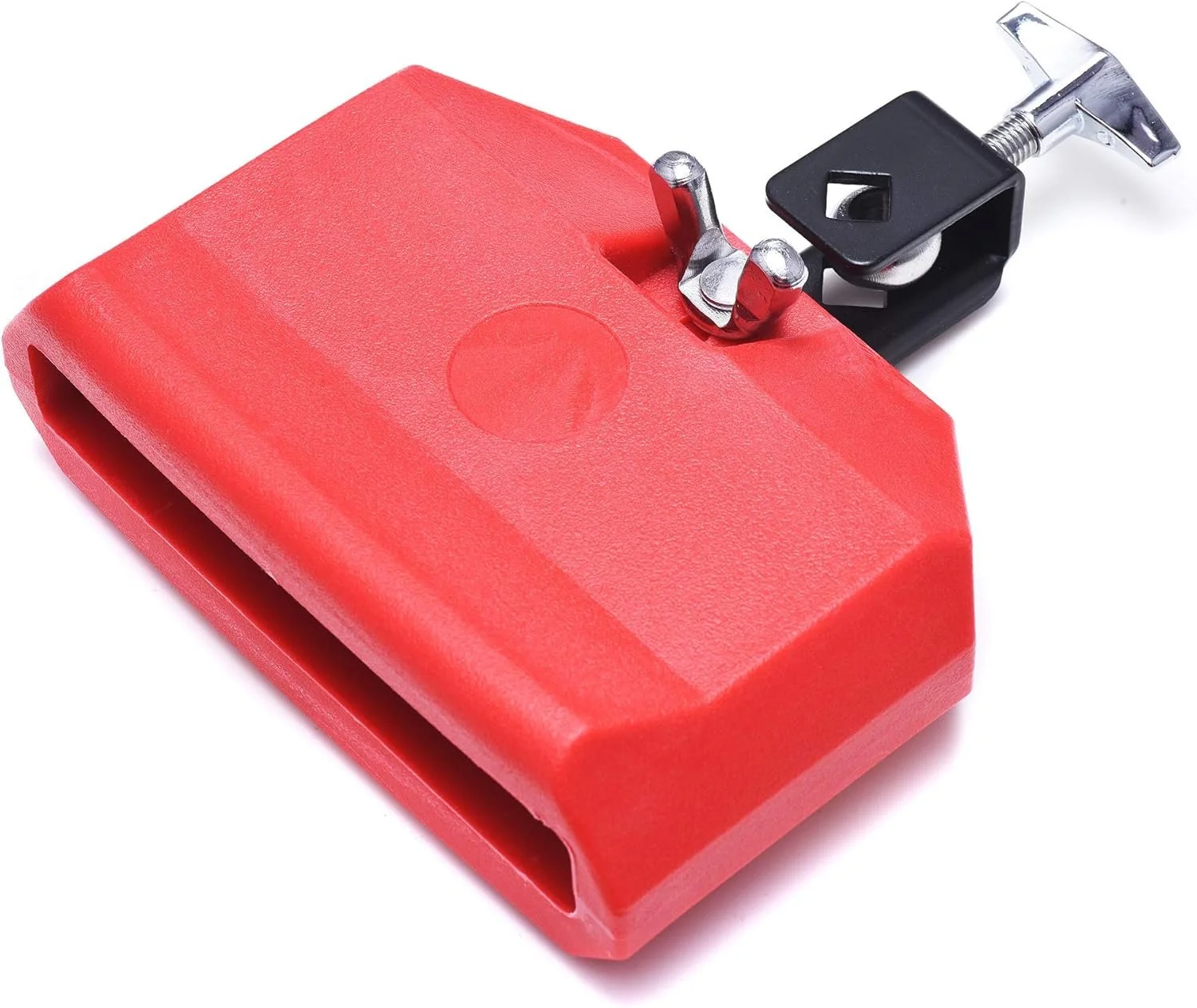
The jam block is a synthetic wood block that is shockingly loud, allowing students with low motor control to create audible beats and rhythms with minimal motion.
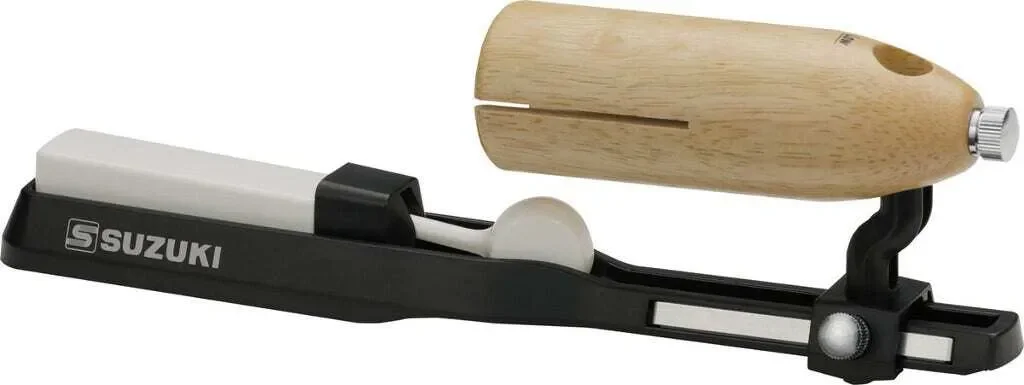
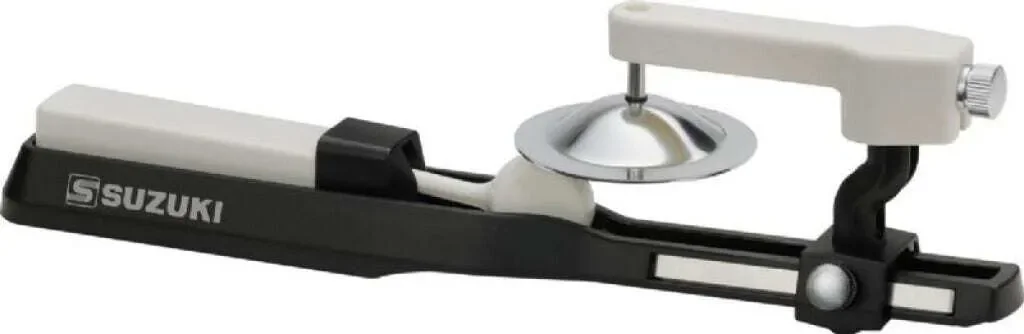
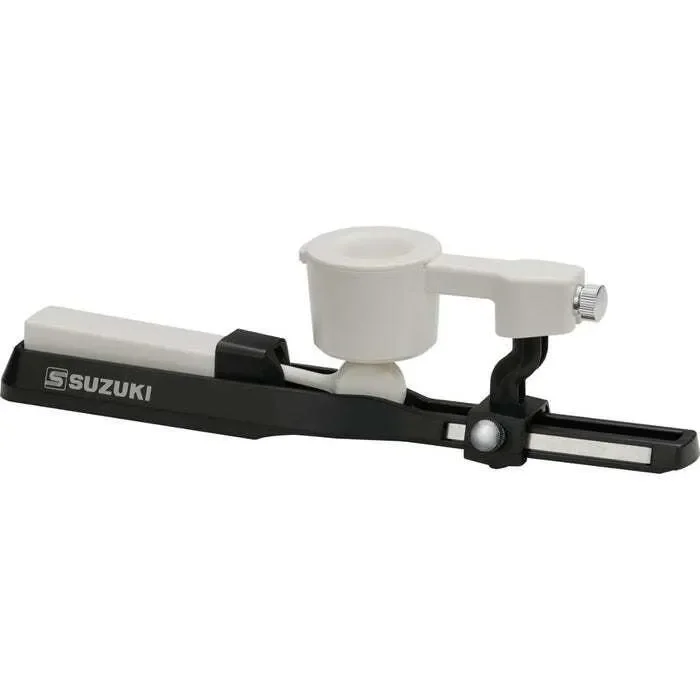
Suzuki BARcussion instruments use a piano key-like enclosed mechanism to play woodblock, chime, shaker and more. Useful for hand-under-hand playing and students with low hand-eye coordination.
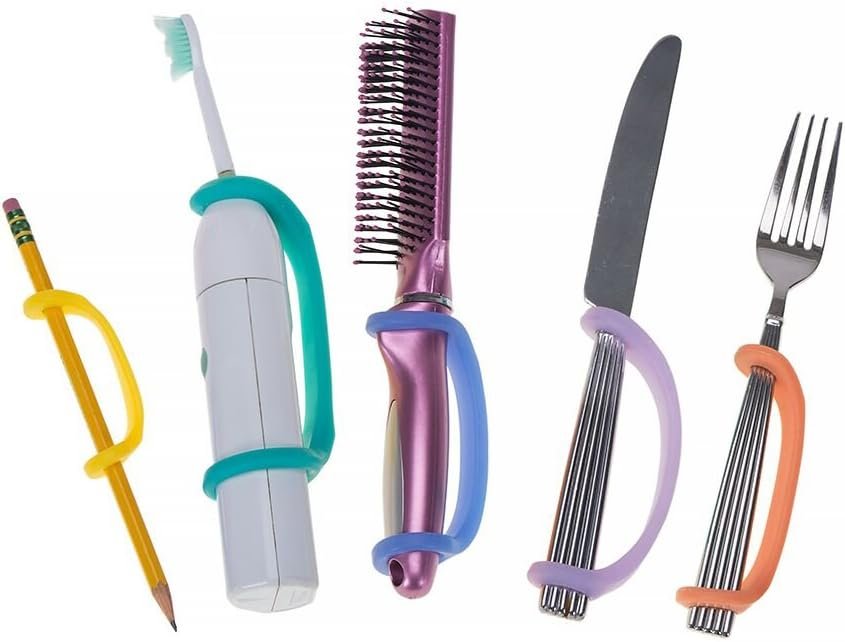
These silicone grips can improve the holdability of mallets, maracas, shakers, and more… but a cheap hair scrunchy can also be used for the same purpose!
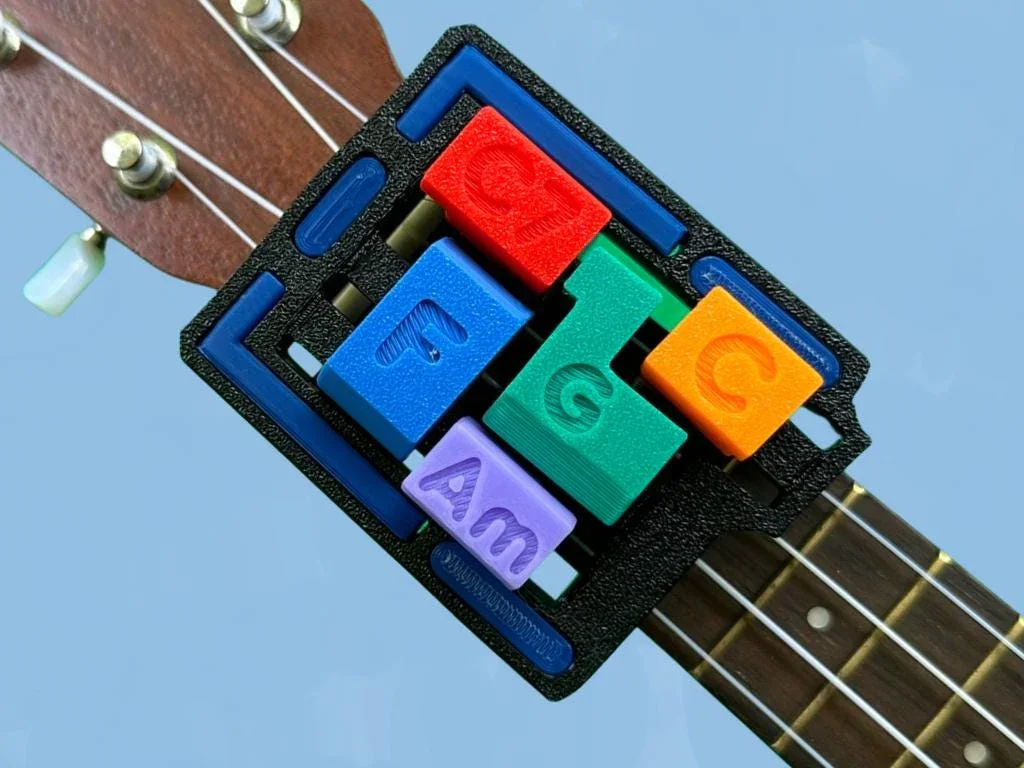
The UkeAssist is like a ChordBuddy for ukulele. It was designed by an adaptive music teacher in Nashville named Billy Prosise. Billy also sells the 3D print pattern for making your own.
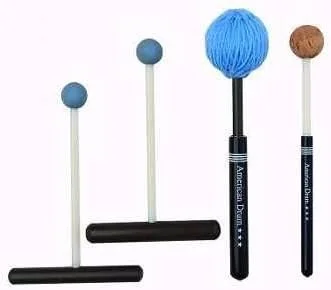
These adaptive mallets can be used with drums or xylophones.
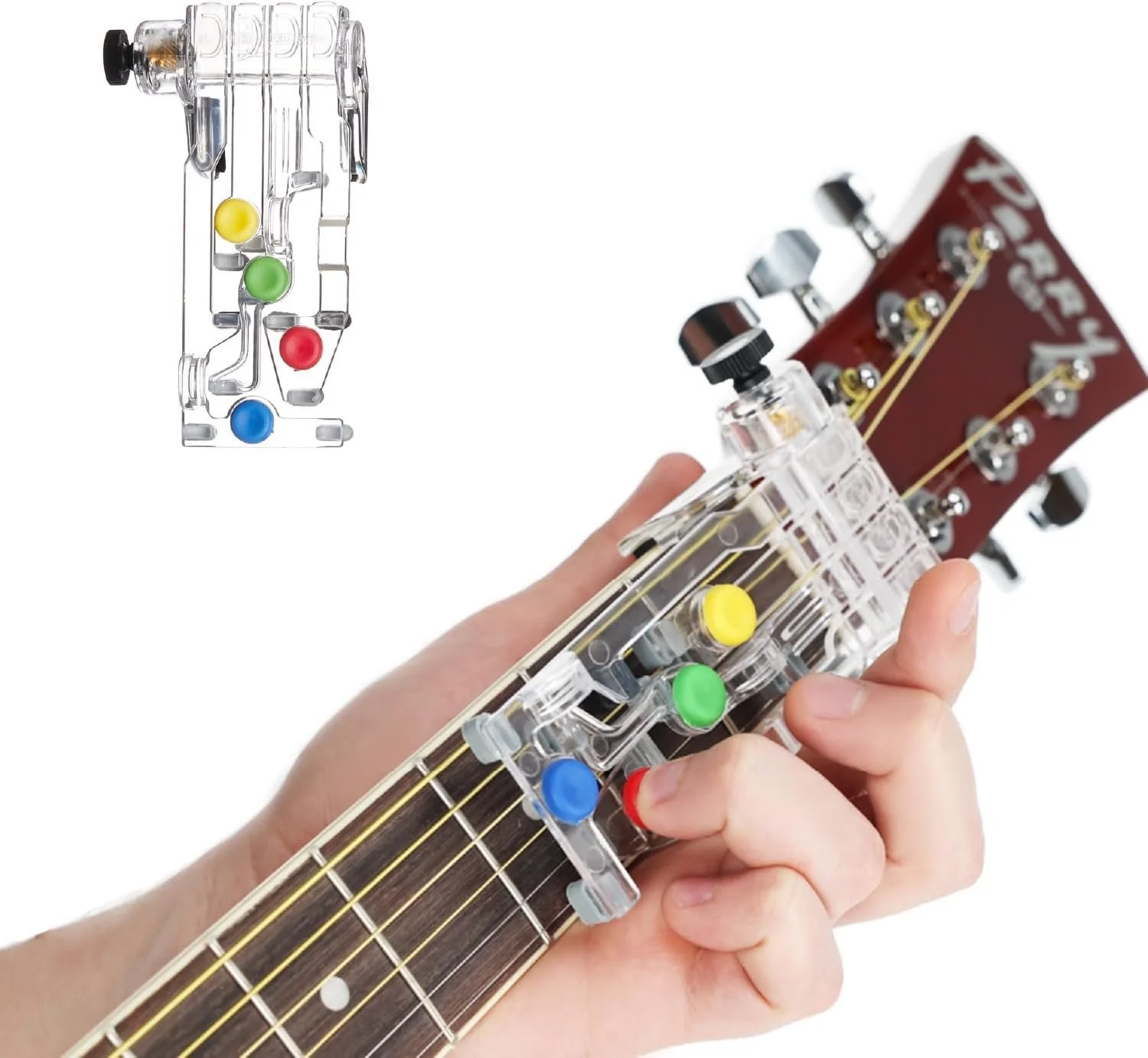
The ChordBuddy attaches to the neck of a guitar. It allows the user to press a single color-coded button and produce a chord.
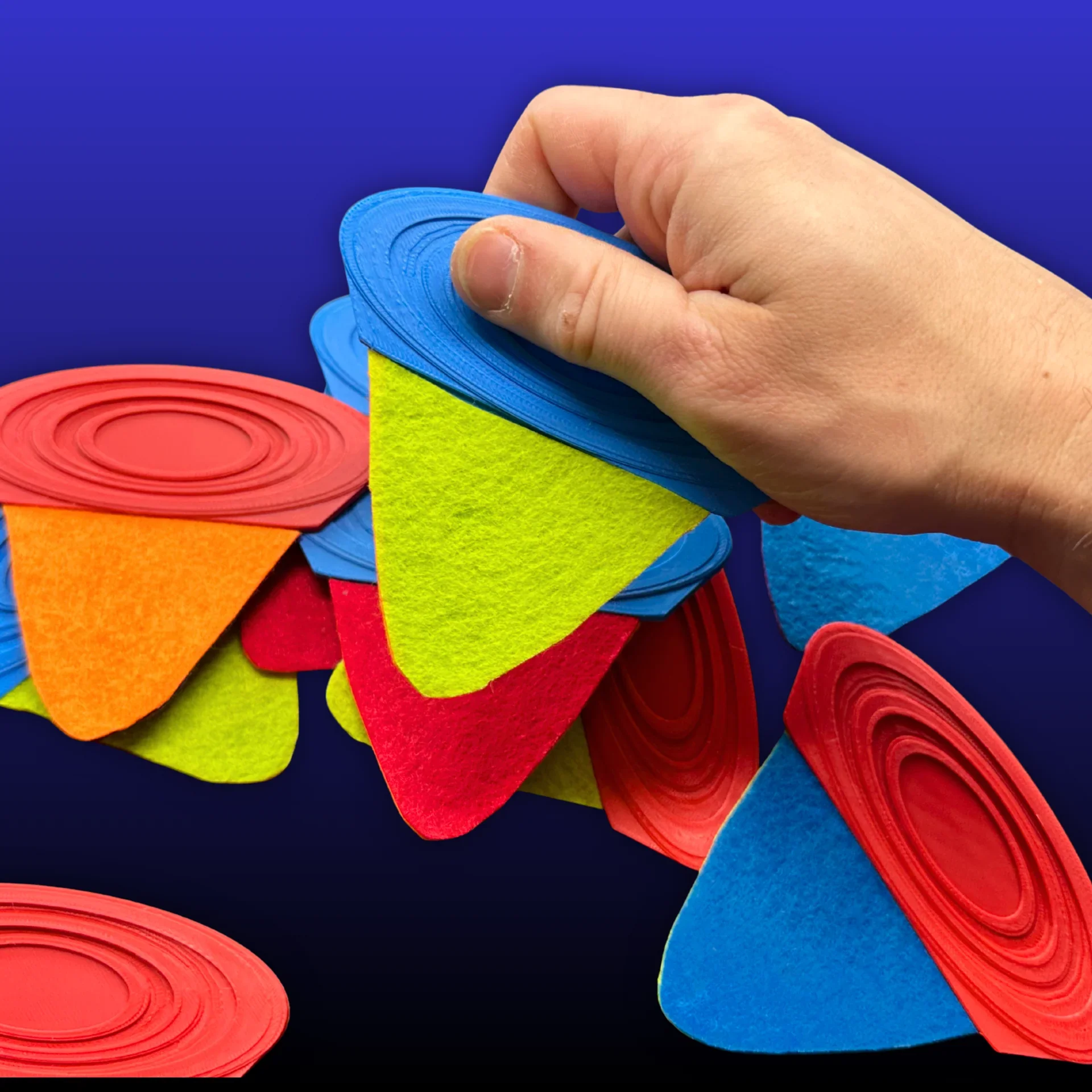
The GripAssist is an extra-large adaptive guitar pick designed by an adaptive music teacher in Nashville named Billy Prosise. It comes in two sizes, and Billy also sells the 3D print pattern for making your own.
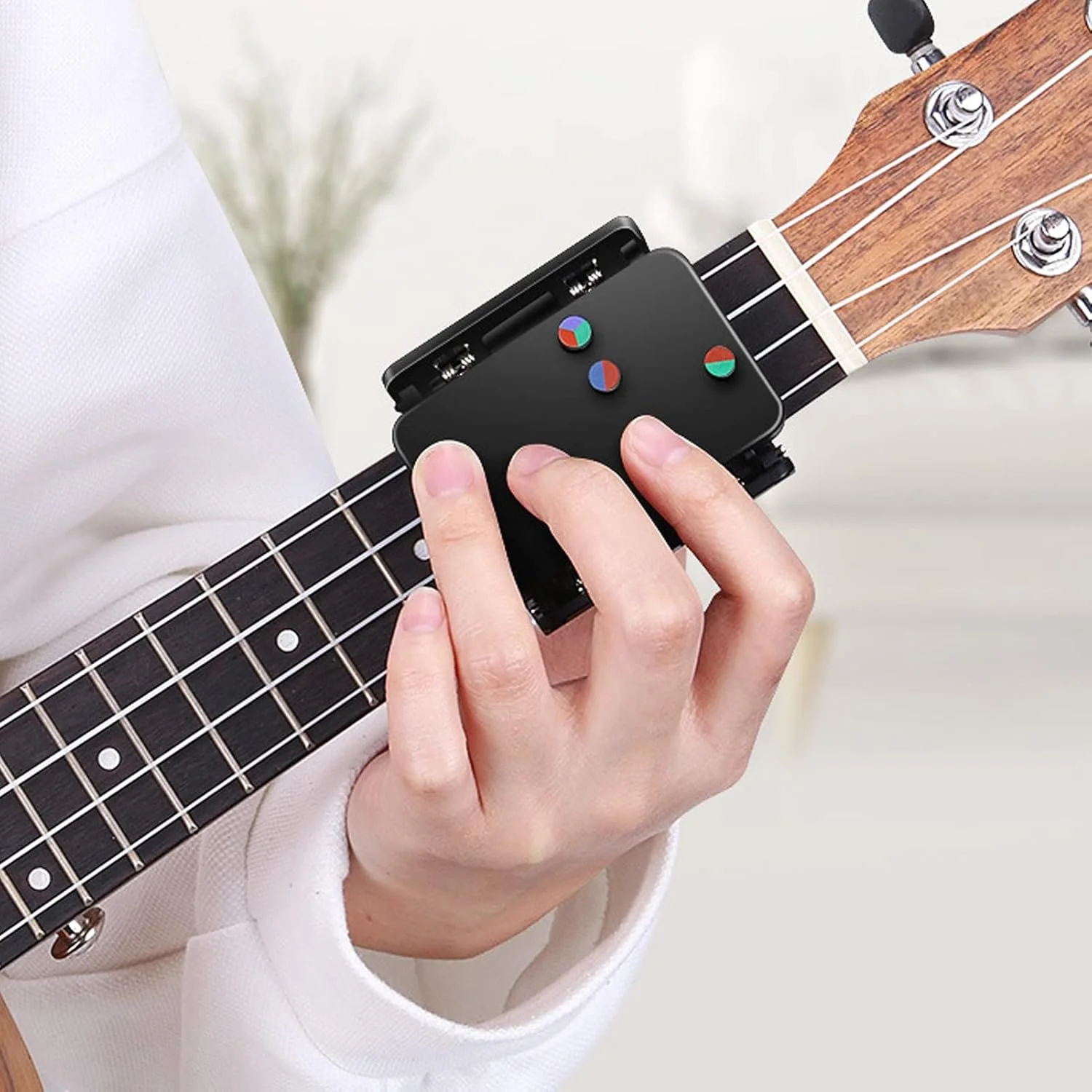
This ukulele chord aid works just like a ChordBuddy does for guitar.
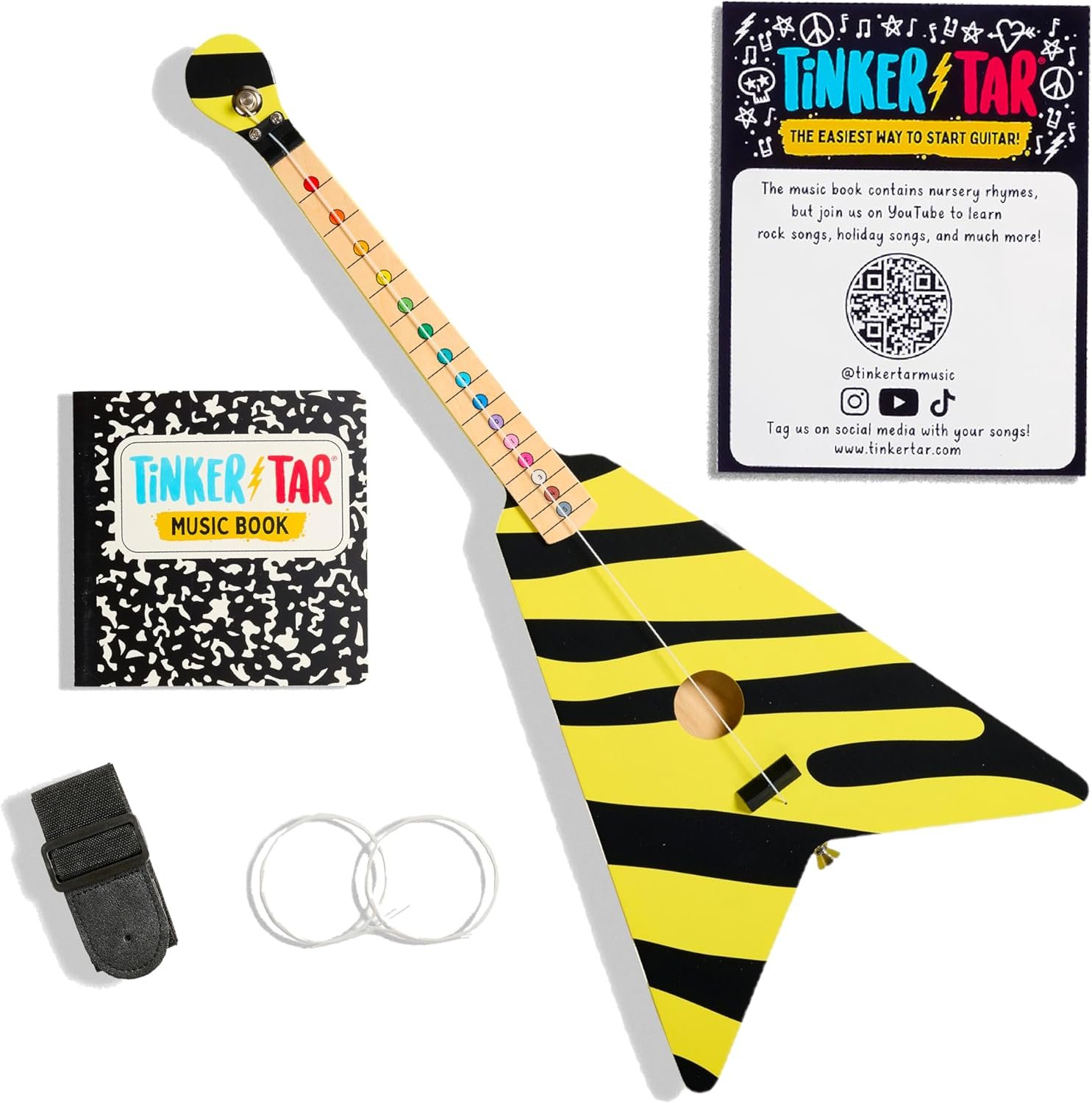
The Tinkertar is a single-string fretted instrument that comes in a variety of styles.
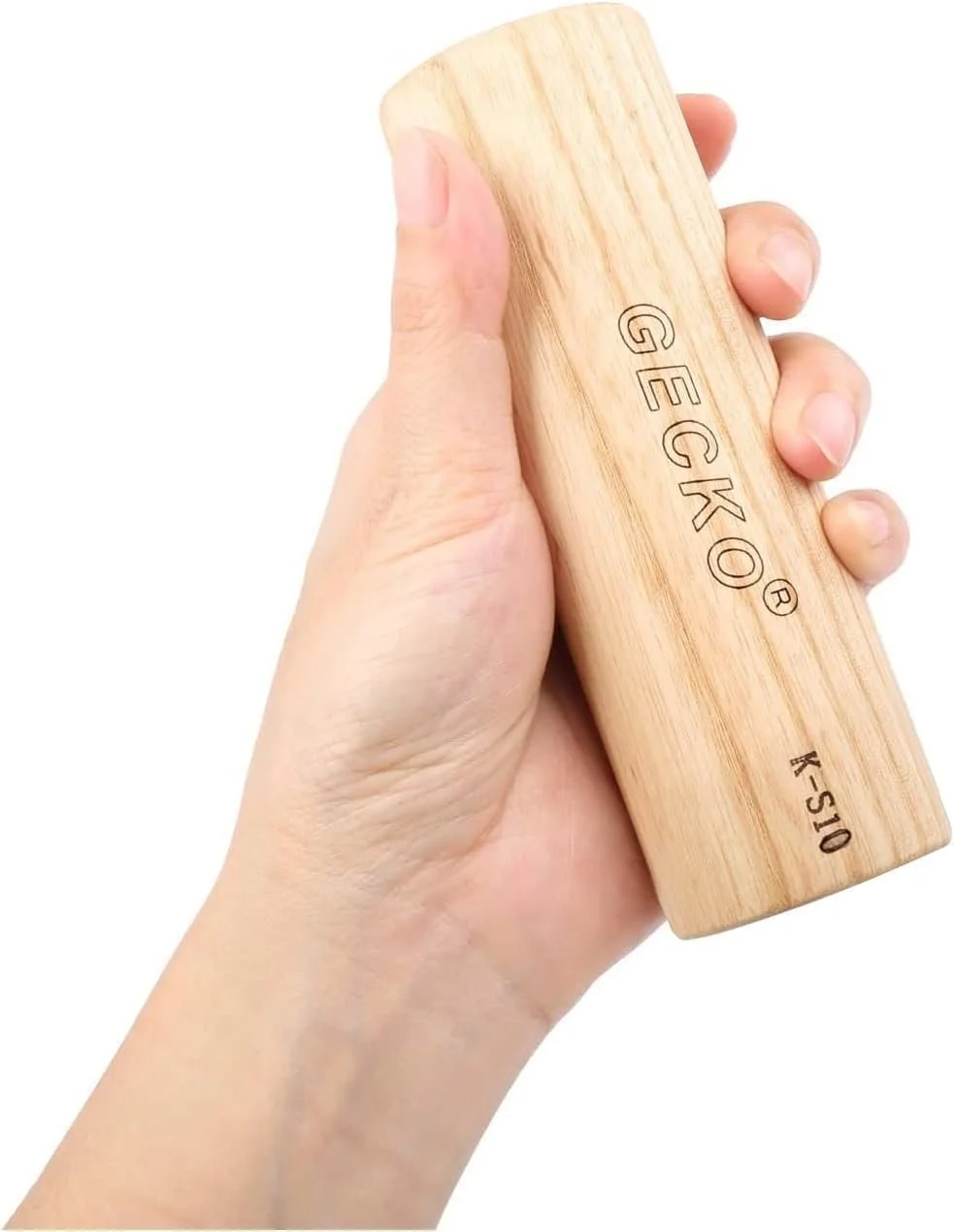
A sand hammer is a type of shaker that is easier to grasp than an egg or maraca. Gripping one can also be gently supported by adding a hair scrunchy around the student’s hand. See our online store for a free STL file download to 3D print your own!
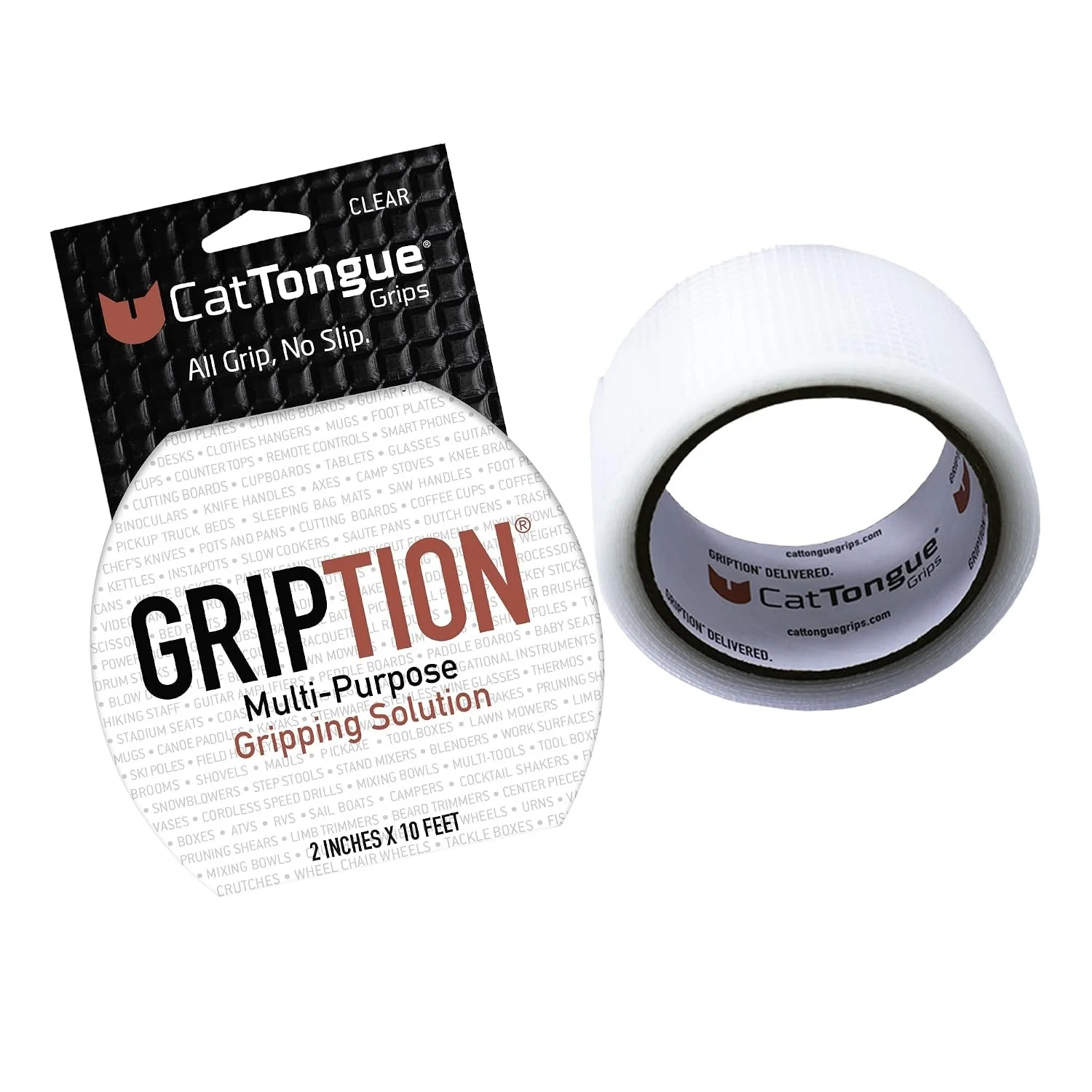
Grip tape can be adhered to most objects to improve their graspability.
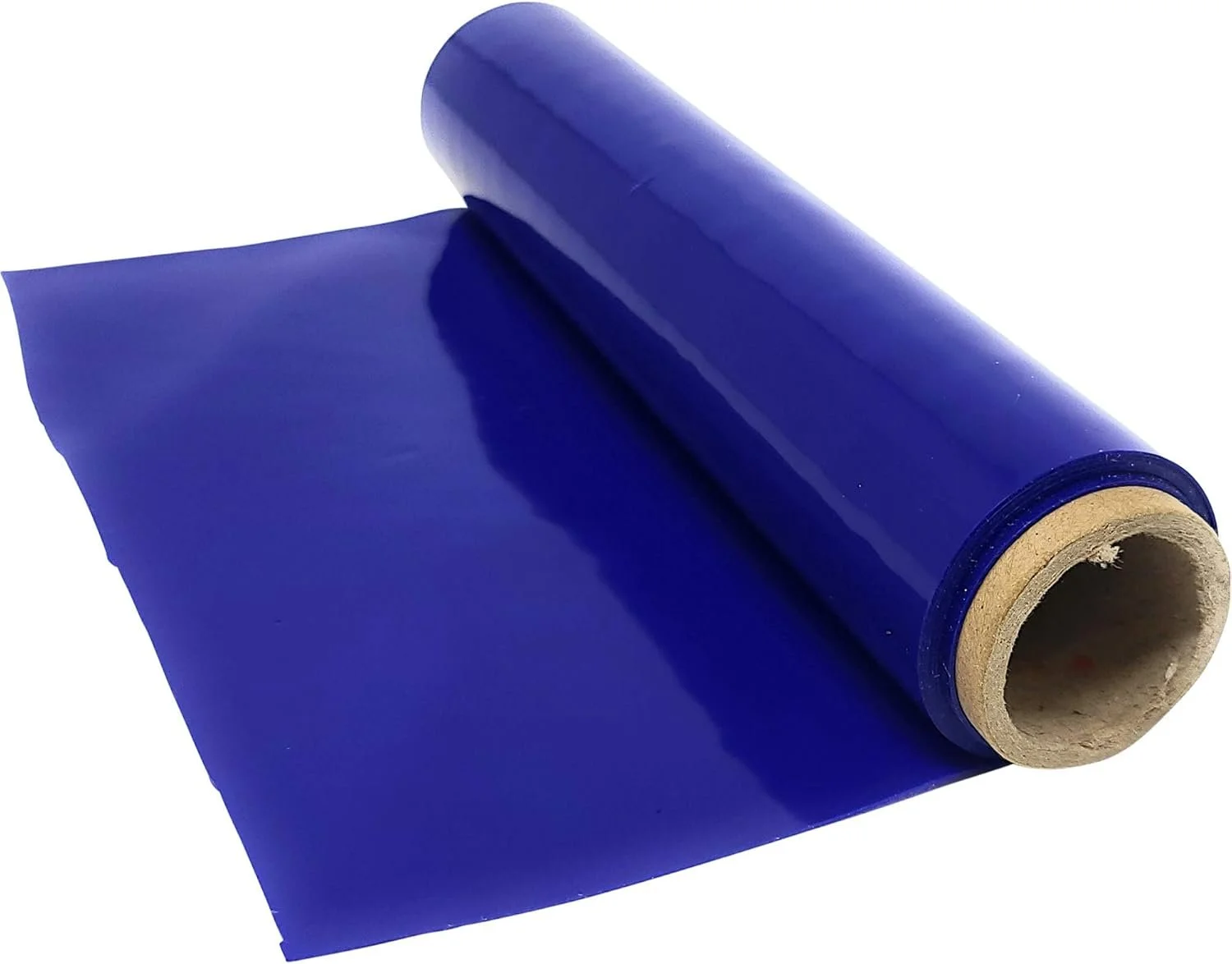
Dycem non-slip material can be very helpful for keeping instruments and equipment on wheelchair trays and tabletops.
As an Amazon associate, we earn from qualifying purchases.