
Below are descriptions of past workshops that Jen and Jessica have presented for school districts, conferences, graduate courses and more.
Every workshop is planned according to the needs and interests of the hosting district or organization.
-
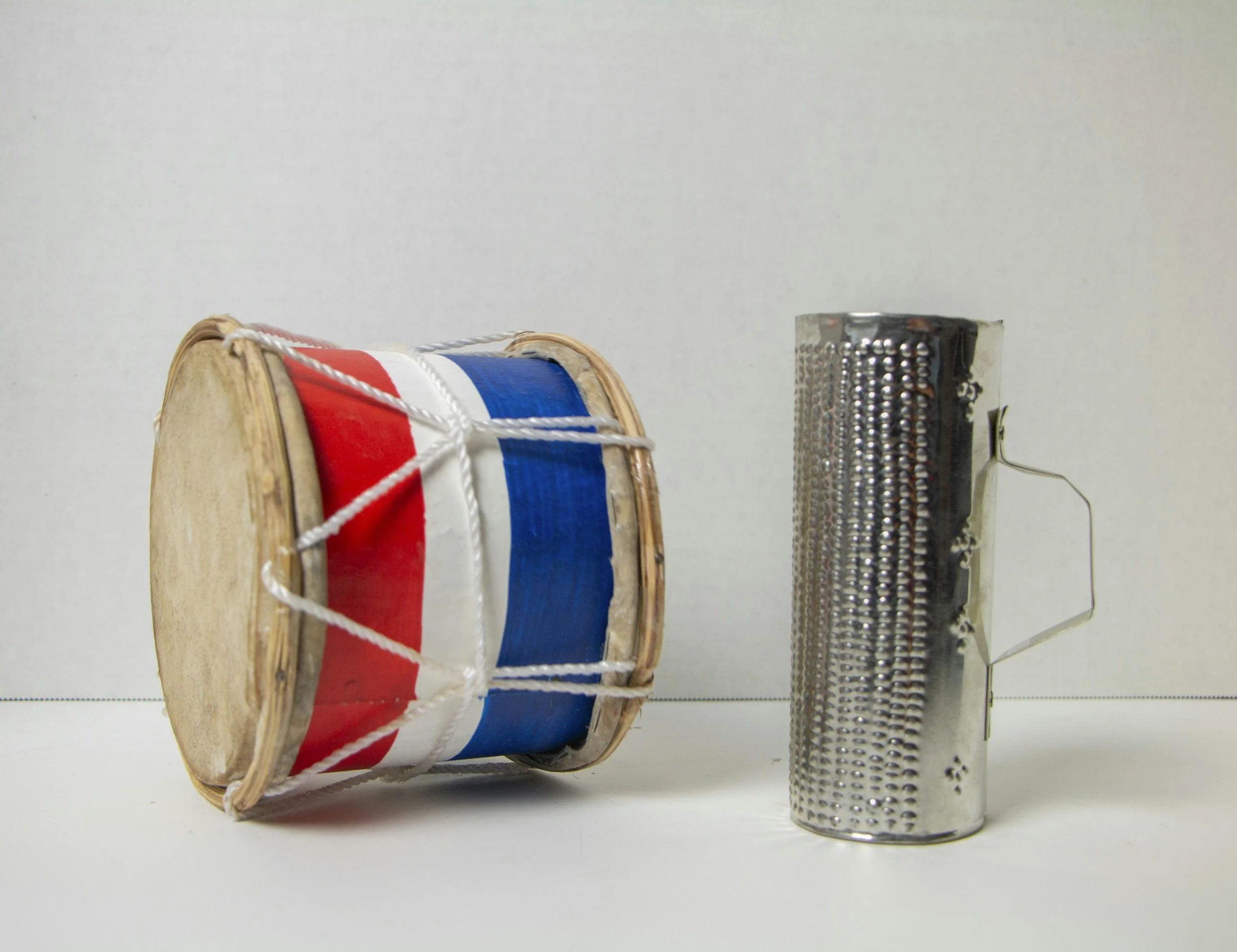
Intro to Adaptive Music Education
This one-day, in-person course is for in-service general music teachers who are looking for philosophy, language, tools, and activities to support their work with students with disabilities including autism. Music Therapist Jen Kass (MA, MT-BC) and Medley Director Jessica Corwin will give participants tools to bring to their classrooms for accommodation, meaningful inclusion, joyful music-making, and social connection. Topics will include anti-ableist language, neurodivergence-affirming practices, current research on autism, learning differences and corresponding teaching strategies, and the imperative of listening to neurodivergent voices. Participants will engage in a variety of sample classroom activities that can be replicated in their own classrooms.
-
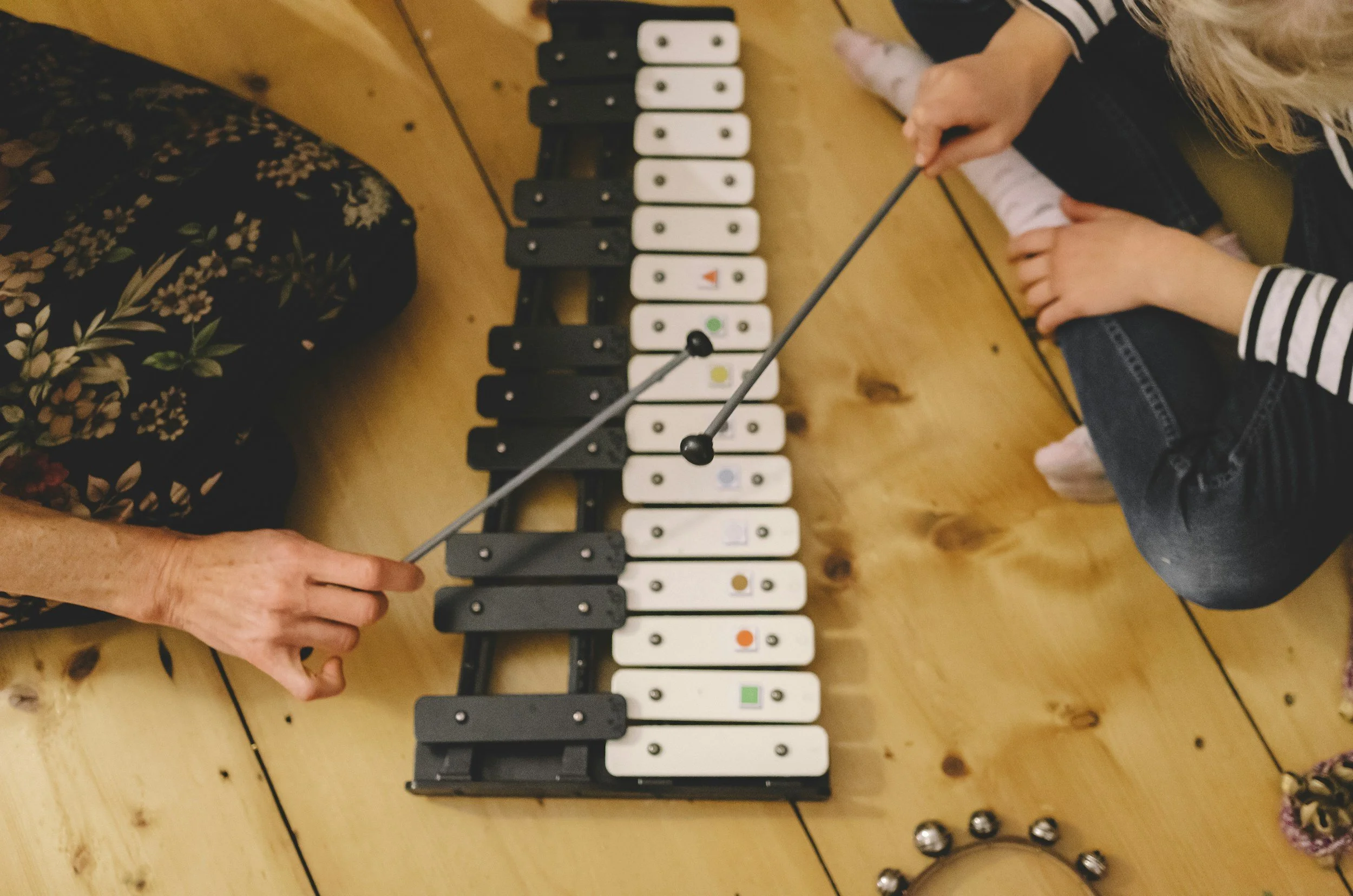
A Song In Your Pocket: Meaningful Inclusion of Non-Speaking Students in an Elementary General Music Classroom
Many approaches to general music education focus on singing as a primary tool for engagement, leaving music teachers at a loss for how to meaningfully include non-speaking students who also don’t sing. This session will examine the nature of meaningful inclusion, provide useful tools and strategies for working with this student population, and demonstrate replicable classroom activities that can include every classroom member.
-

Neurodivergence is a Difference and Not a Deficit: Current Research on Autism and ADHD for Music Educators
The term neurodivergent originated within the disability community and refers to a wide collection of conditions and experiences that impact how people perceive and interact with the world around them. Two of the most common and visible divergent neurotypes are autism and Attention Deficit Hyperactivity Disorder. In this three-hour workshop, participants will learn about historical and current research on these conditions with an emphasis on first-person experiences, examine how these differences impact a child’s interactions with the music curriculum and classroom, and identify how music teachers can adapt to meaningfully and joyfully include these students in music education with peers. The workshop will include a number of participatory demo music class activities with modeled accommodations that are known to be effective and engaging with these student populations.
-

Learning in Harmony: Using UDL Principles in the Elementary General Music Classroom
Accessible education is about proactively removing barriers for all learners and providing a range of opportunities and choices for how students engage with content and demonstrate learning. In this session, participants will review the structure and concepts of Universal Design for Learning, examine music-class-specific applications of the UDL framework, and independently apply these principles to a curricular unit, lesson plan(s), and/or activity/s of their choice. The workshop will include a number of participatory demo music classroom activities that model UDL principles. Participants must bring a laptop (charged or with charger) and at least one of the following: a curricular unit plan, two lesson plans, and/or three favorite elementary music class activities.
-
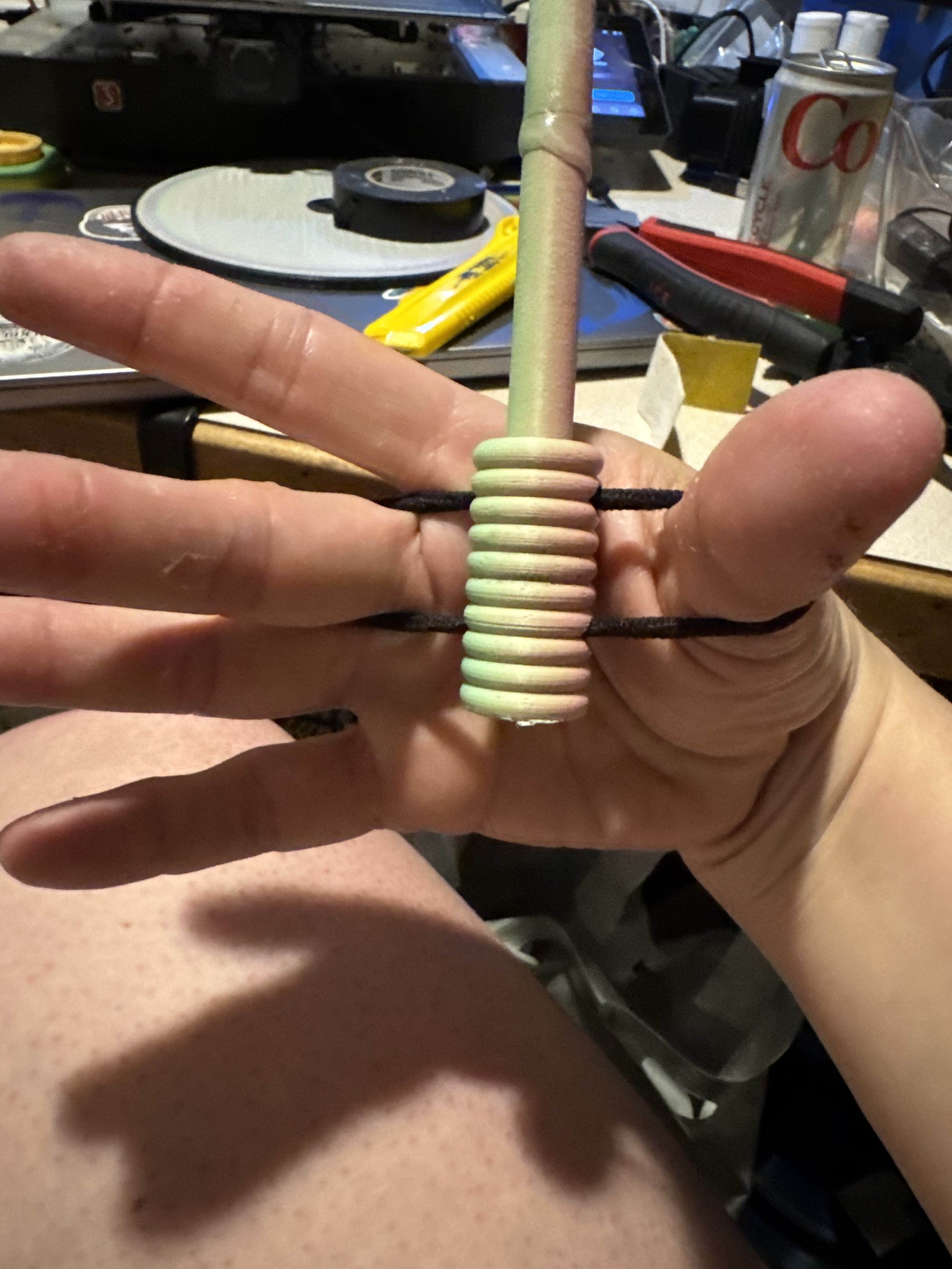
Everyone is a Musician: Adapting Instruments, Equipment and Environments to Meet the Needs of All Learners
This hands-on workshop will support participants in thinking creatively about how to adapt instruments and create physical setups for students with limb differences, motor impairments, cognitive differences, and more. Materials and hypothetical student profiles will be provided to challenge participants to use a PEA (Person-Environment-Activity) Analysis and/or MAP (Music Adaptation Plan) strategy to create a path for full inclusion of students with significant learning differences among their typically-developing peers. This session will also include an open opportunity for sharing current classroom scenarios involving disabled students in order to crowdsource solutions from colleagues with instructor support.
-
Music and Neurodivergent Learners
There is no such thing as an “average learner.” Each student’s brain is unique, which is a form of natural diversity to be celebrated. A wide range of teaching strategies are necessary to reach every learner, and an understanding of specific cognitive profiles and characteristics can be very helpful to music educators committed to meeting the needs of every student. In the first part of this PD session Jen Kass (MA, MT-BC) and Jessica Corwin will present on known divergent neurotypes, anti-ableist terminology, and specific teaching strategies for supporting all types of music learners. Following a short break, we will spend an hour in open conversation about specific situations encountered by [institution] faculty in working with neurodivergent learners, with input and troubleshooting assistance from JAM instructors.