
Alternative Music Notation
Click here to hear this blog post read in Jess’ voice.
My undergraduate conservatory experience was very formative for me as both a musician and a person. One result of it was that my classmates and I graduated as Western classical music notation machines– able to accurately sightread on instruments, sightsing, audiate, take dictation, play open scores on piano, analyze and realize harmonies on sight, and more. I’m fully fluent in three clefs and generally think in solfege when I’m reading, writing or composing a melody. (At the same time, this mental habit is a barrier to learning by ear on an instrument, and I am not comfortable improvising. The benefits are balanced by significant limitations and I greatly admire musicians who have the skills that I lack!)
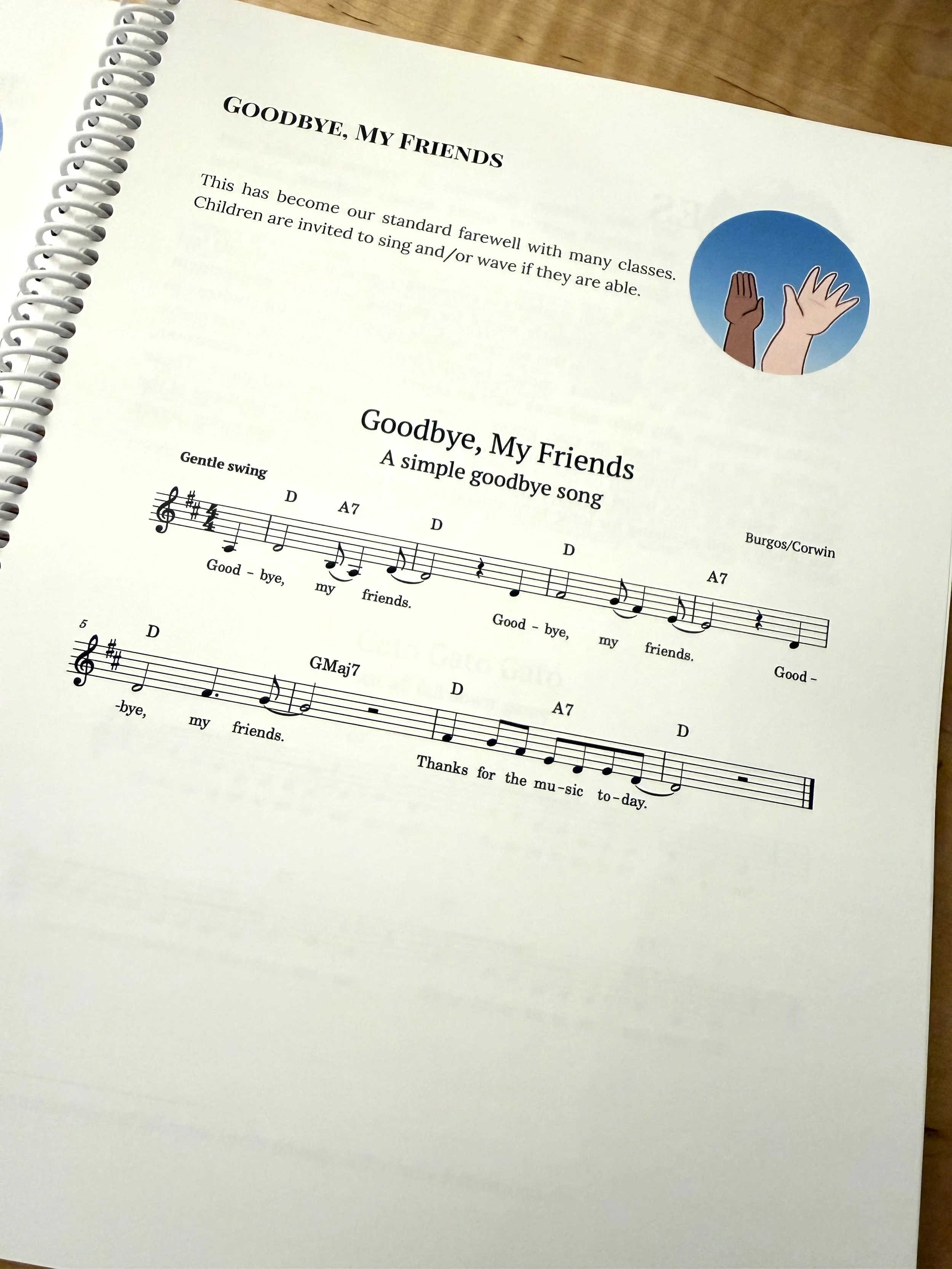
Example of Western classical notation
Western classical music notation works great for me, but that’s not true for all learners. It can be visually hard to discern and very complex, especially when you start notating dynamics, articulations, phrasing, key changes, meter changes, etc.-- often in Italian, which is not commonly spoken in my region of the world.
Because of this complexity, Western classical notation creates barriers to joyful and meaningful music-making for many learners. Luckily a virtually unlimited number of other creative and more-accessible ways to represent music exist! We use some of these in our classrooms, chosen based on the needs of our students and our focus activity or learning goal. Here are some types of alternative music notation worth considering to make your classroom more inclusive.
Iconic notation means using a simple picture to represent a unit of music, like a phrase in song lyrics. In this example, a bumble bee represents the lyric phrase “bumble bee”; a confused, questioning cartoon character represents “where are you?”; and a person hiding behind a bush means “hiding.”
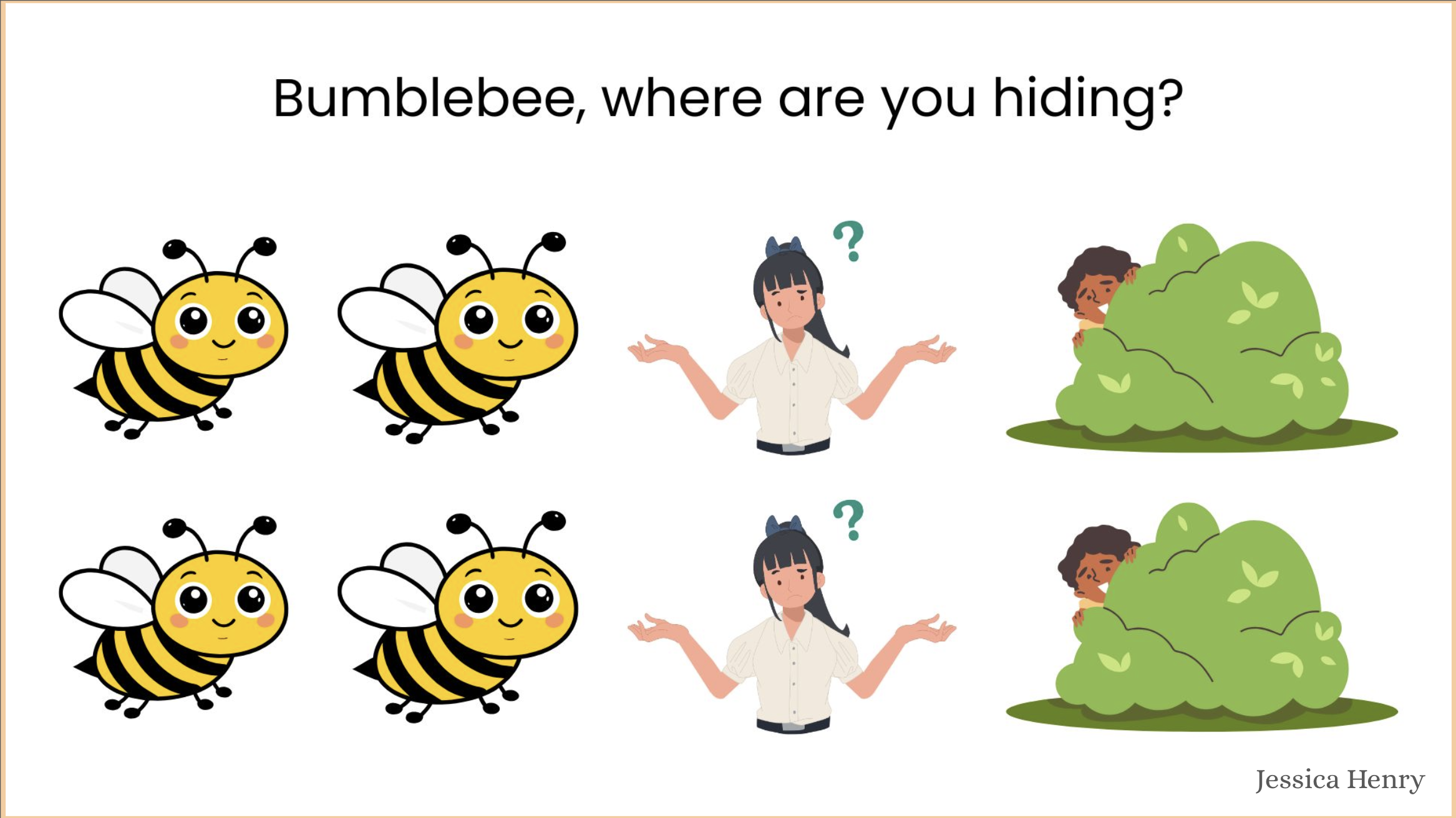
Iconic notation for Bumblebee, Where Are You Hiding? Created by our grad student Jessica Henry. Used with permission.
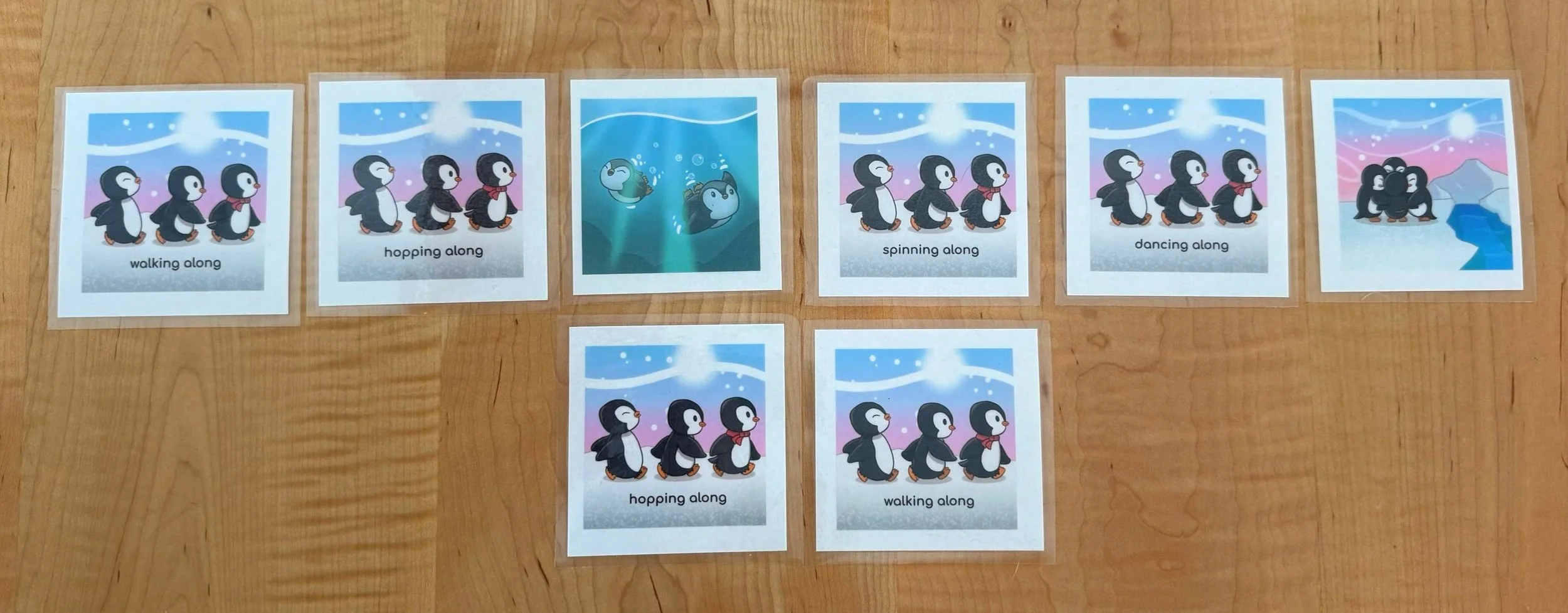
When this technique is used in familiar classroom songs, students can learn important lessons about form by rearranging the order of icons and changing the performance. In this expressive movement activity (“Pingüino” from We Are All Musicians), students change the order of penguin actions that they act out responsively to music. Once students change the order of actions, the teacher performs the song that way and the students perform the corresponding movements.
Iconic notation can also be used for highly structured composition activities, like these body percussion choice cards that are available as a free download in our online store.
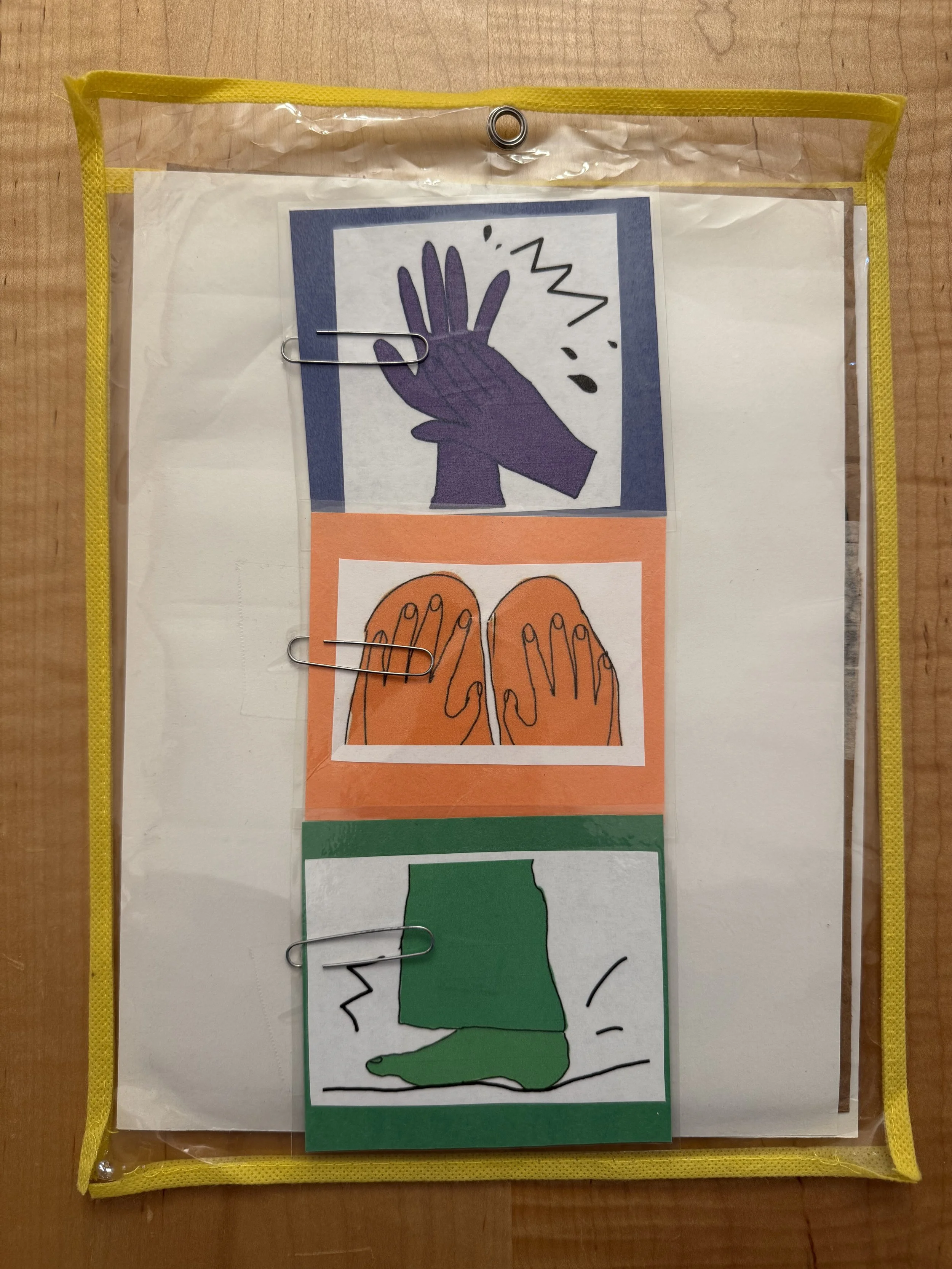
Body percussion choice cards for composition
Music mapping is generally meant to be touched as it is read, and may use lines and symbols to represent beat, melodic contour, dynamics, texture, articulation, lyrics and more. They may be designed to be read left-to-right... or not!
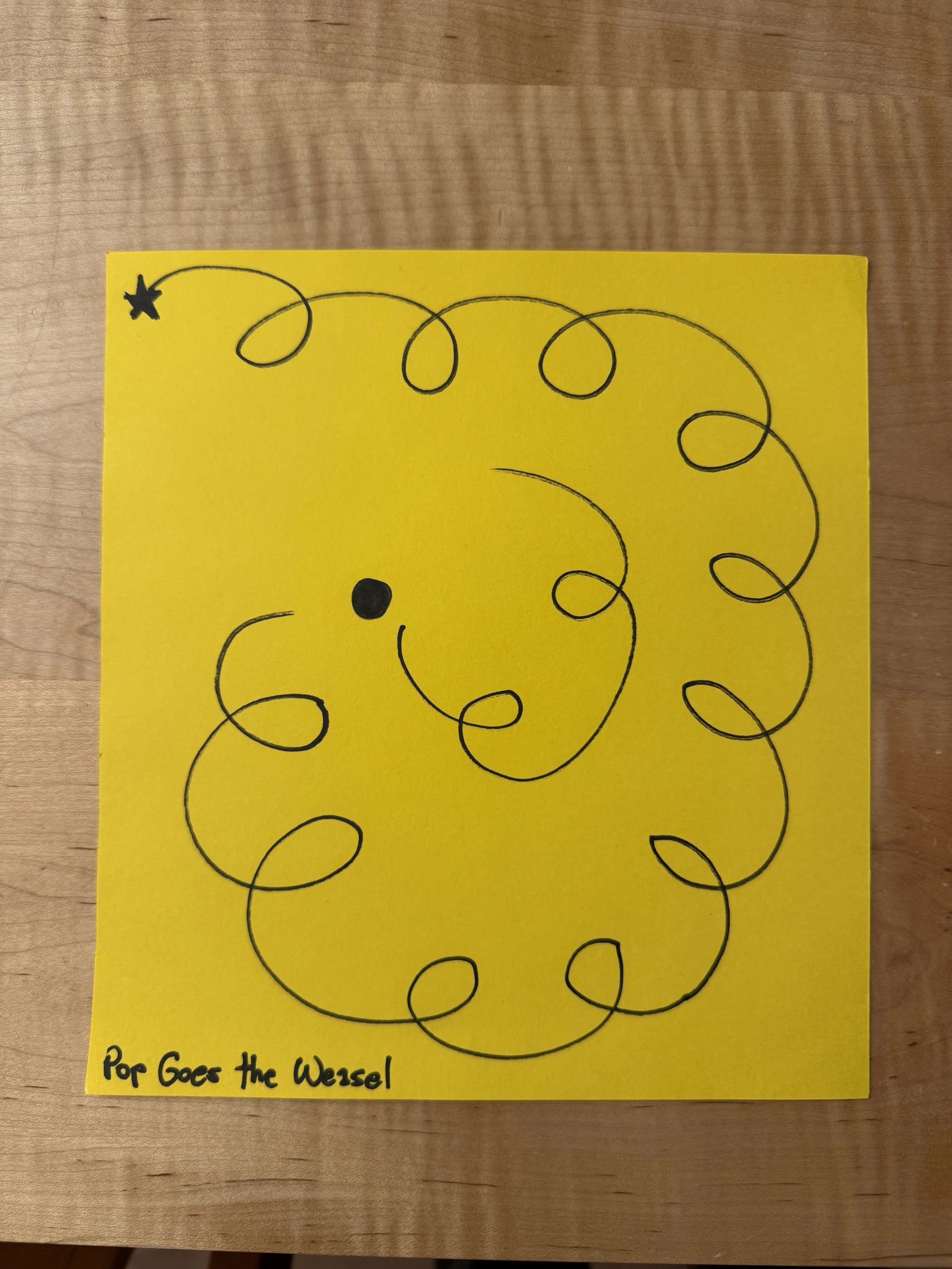
Music map for Pop Goes the Weasel
In this example, the music reader’s finger starts at the star and traces the line, which makes a loop with every macro beat of the familiar song. On the word “POP” the finger hops and expressively bounces off the dot before continuing the rhythmic line-tracing.
Physical objects like building blocks, coins, or plastic gems may be used to represent rhythms, pitches, or other musical elements. It is helpful when the objects are simple and standardized. The chosen objects may help to recruit and sustain engagement if they are connected to a student’s special interests, and can be particularly useful for composition activities. In this example, the shapes of the Magnatiles represent the rhythms in the first two lines of Twinkle, Twinkle Little Star.
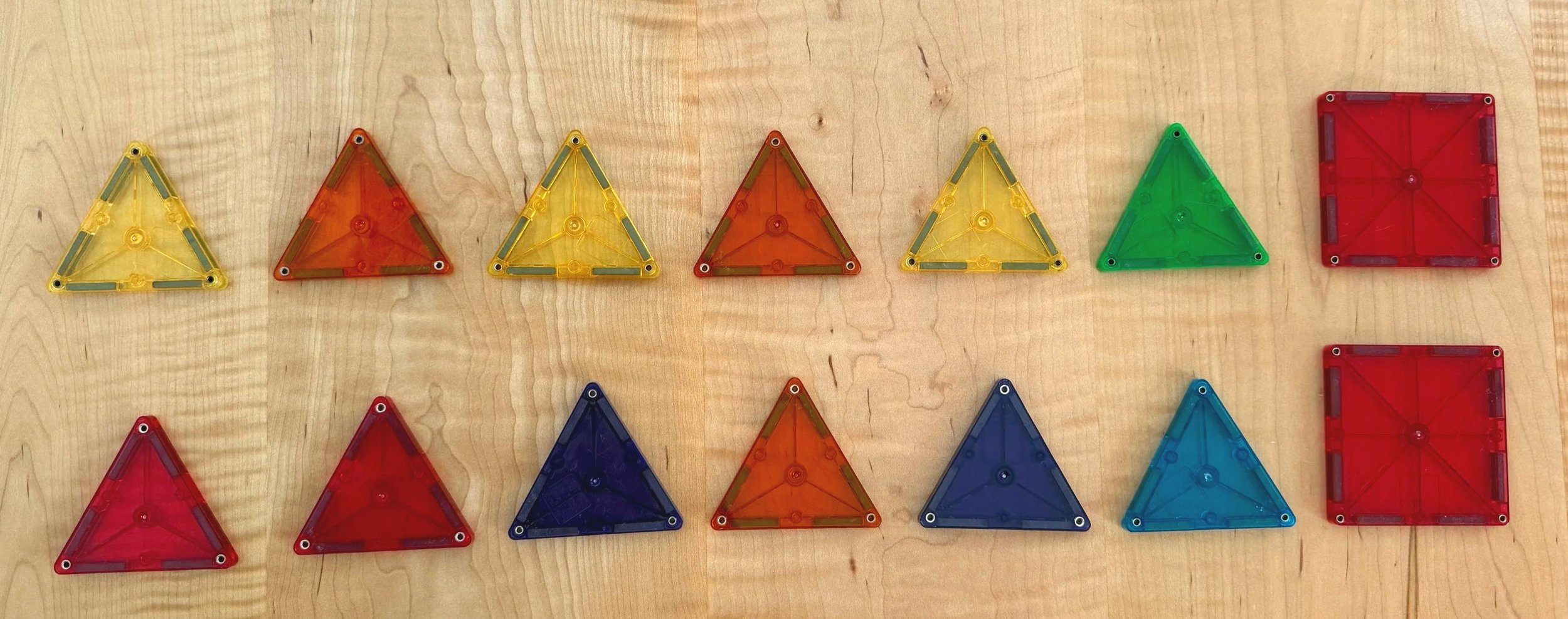
Triangles represent eighth notes and squares represent quarter notes in this rhythmic notation of Twinkle, Twinkle, Little Star.
Color coding is one of our favorite types of alternative music notation to use! A block of color may represent a single pitch or sound, or a complete harmony. We always use Boomwhacker colors for pitches for consistency. Color-coded pitches can be used for melodies, chord tones in a harmony, or as the chord root to represent a full chord. Many of our students with higher support needs love to play the autoharp, which we have color-coded with nail polish on select chord buttons.
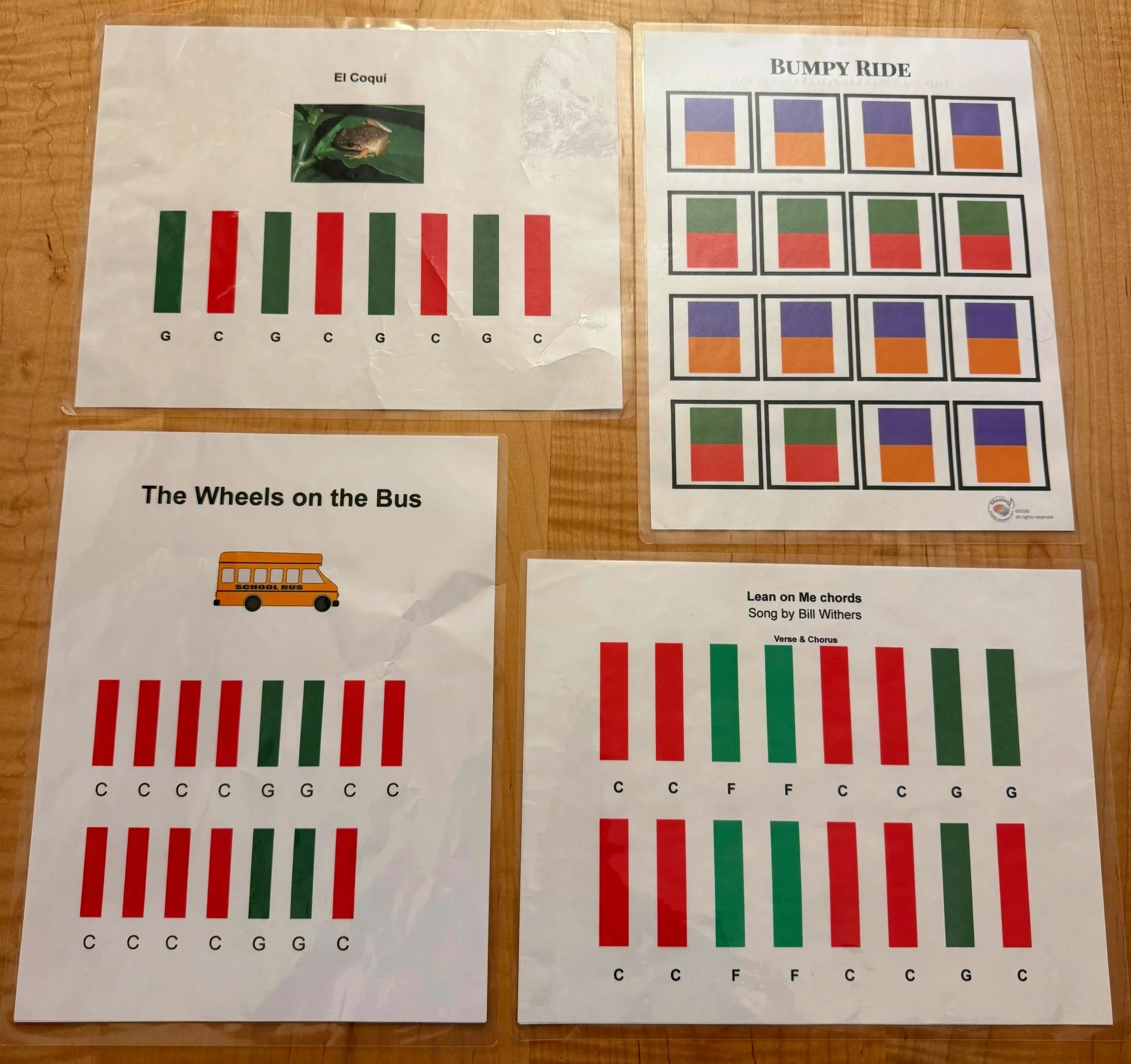
Examples of color-coded block notation using Boomwhacker colors to represent chord roots
El Coquí from A Song In Your Pocket (free download in our online store), Bumpy Ride from We Are All Musicians, The Wheels on the Bus, and Lean on Me by Bill Withers.
Color coding can also be used to enhance Western classical notation. Our preferred notation program MuseScore has an available plugin to do this automatically.
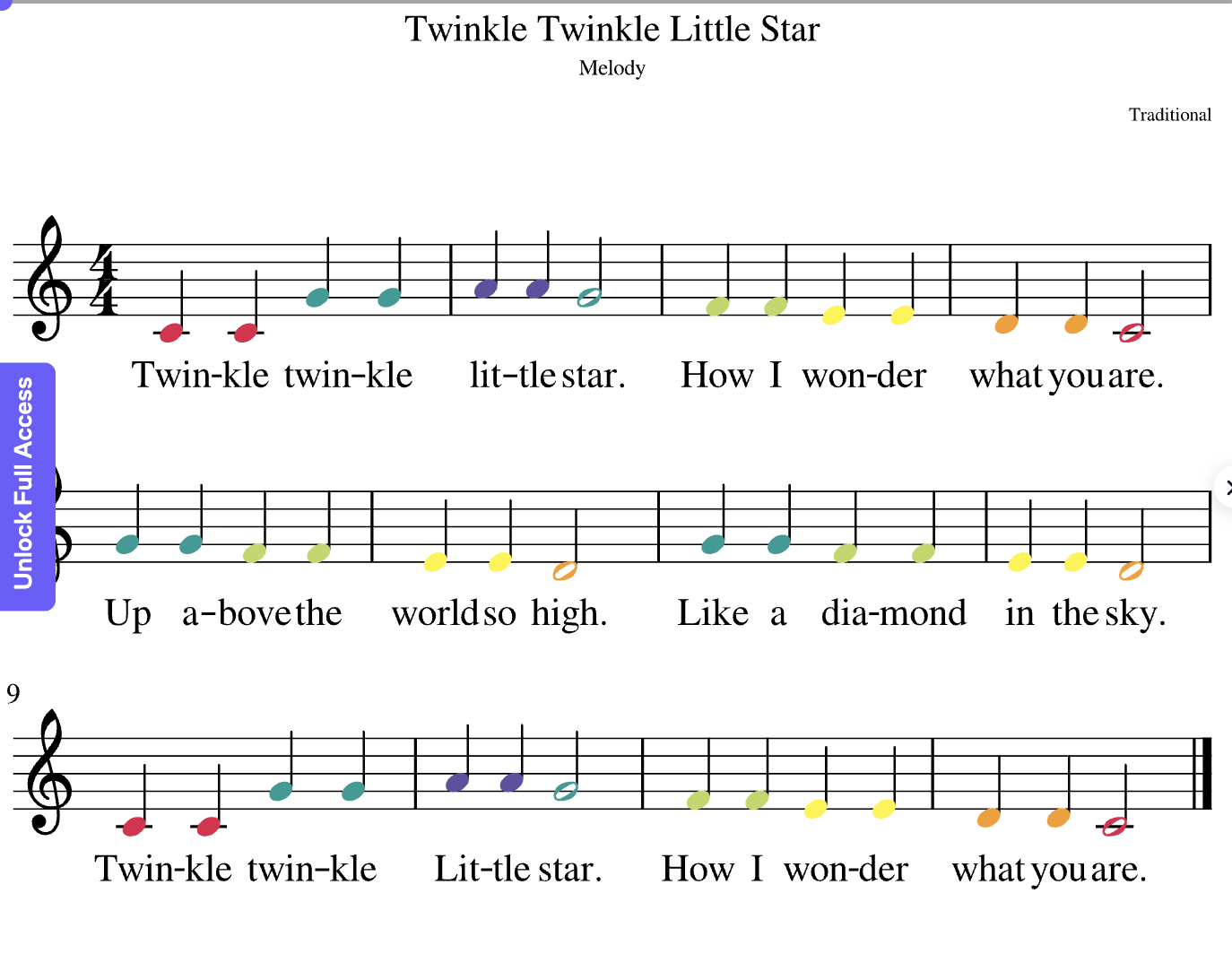
Western classical notation example with color-coded noteheads that match Boomwhacker colors. Screenshotted from MuseScore.
Alternative music notation can be animated, like the Boomwhacker play along videos by Swick’s Classroom! They are so intuitive that kids feel like they’re playing a video game, when they’re actually getting instant access to making music. The timing of the animation substitutes for rhythm reading, which removes complexity from the decoding process but not the performance.
Finally, if you’re interested in a highly detailed and systematized method of alternative music notation, Figure Notes is a great option to consider. It was developed in Europe and is currently promoted by Drake Music in Scotland. Drake provides not only online trainings in this method but also web-based notation software. In this system, colors represent pitches, shapes represent octaves, and duration is indicated horizontally, which is highly intuitive.
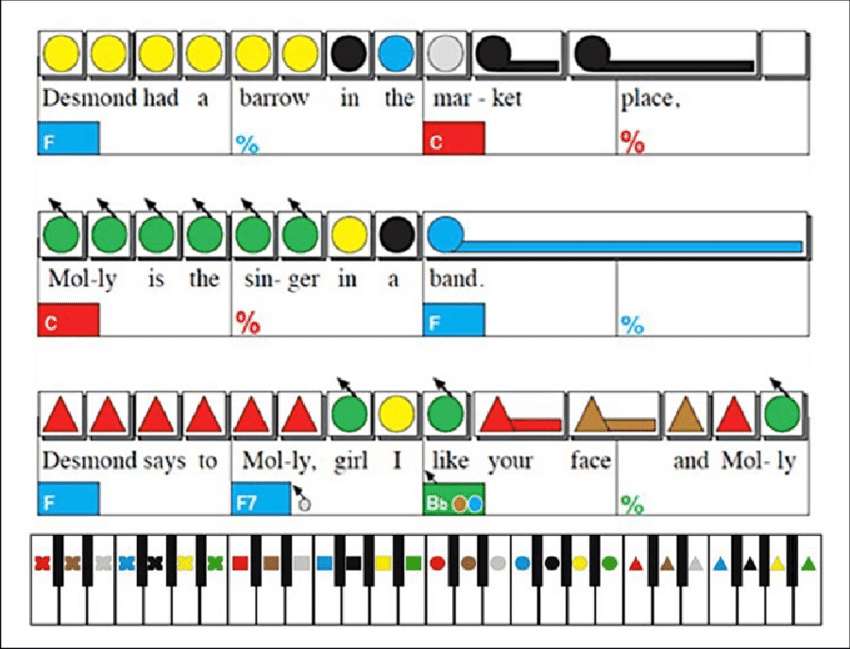
Figure Notes for the opening of Ob La Di.
If you’re interested in learning more about any of these alternative music notation methods and experiencing them from a student’s perspective in demo activities, please join us for professional development!